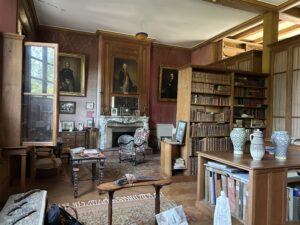

In Search of Codex Amrensis 22: The Investigation Behind a Monograph
The publication of my new monograph, Codex Amrensis 22: History and Analysis of an Early Qurʾānic Manuscript (Brill), marks the culmination of a research journey that began more than a decade ago.
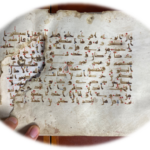
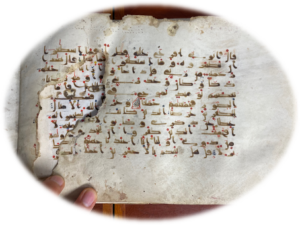
When I first started working on this manuscript, during my Master and then my PhD, I had access to only about fifty folios preserved in the collection of the Bibliothèque nationale de France. Yet it was known that these leaves once belonged to a much larger codex: the monumental Qurʾān discovered in the Mosque of ʿAmr in Fusṭāṭ (Old Cairo) whose folios were scattered across several institutions.
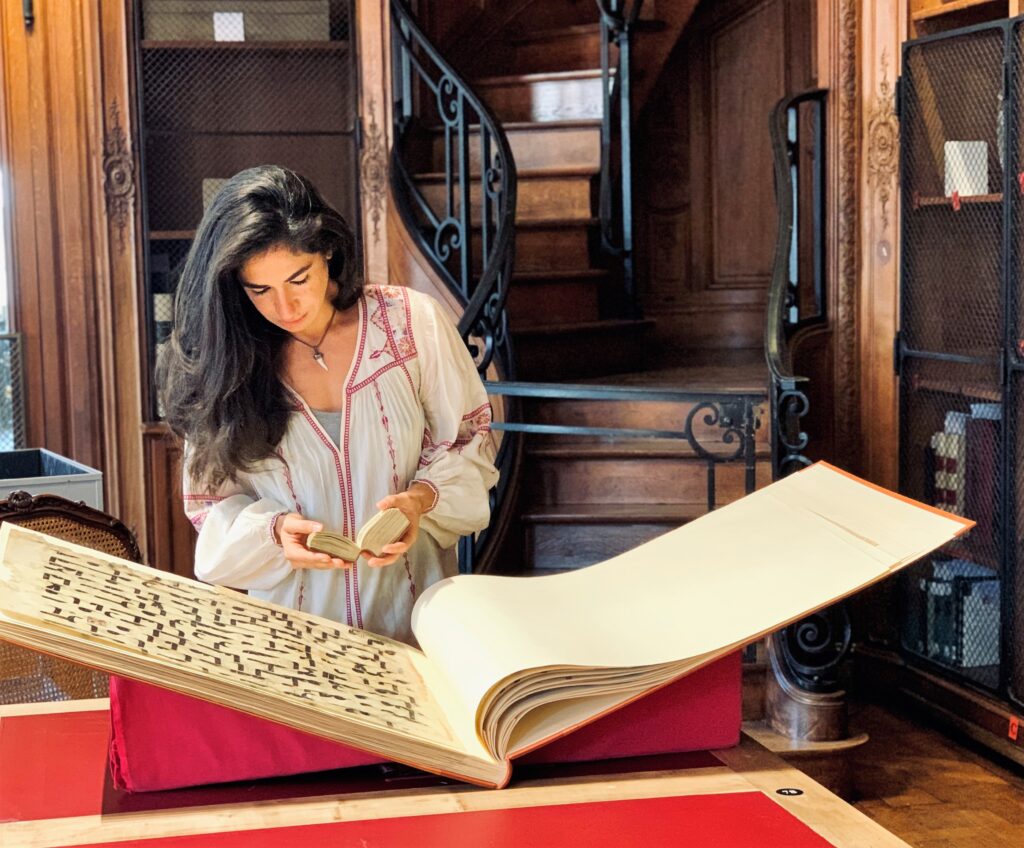
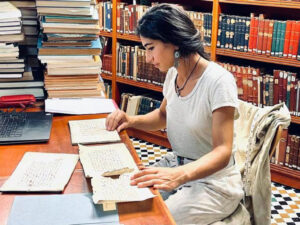
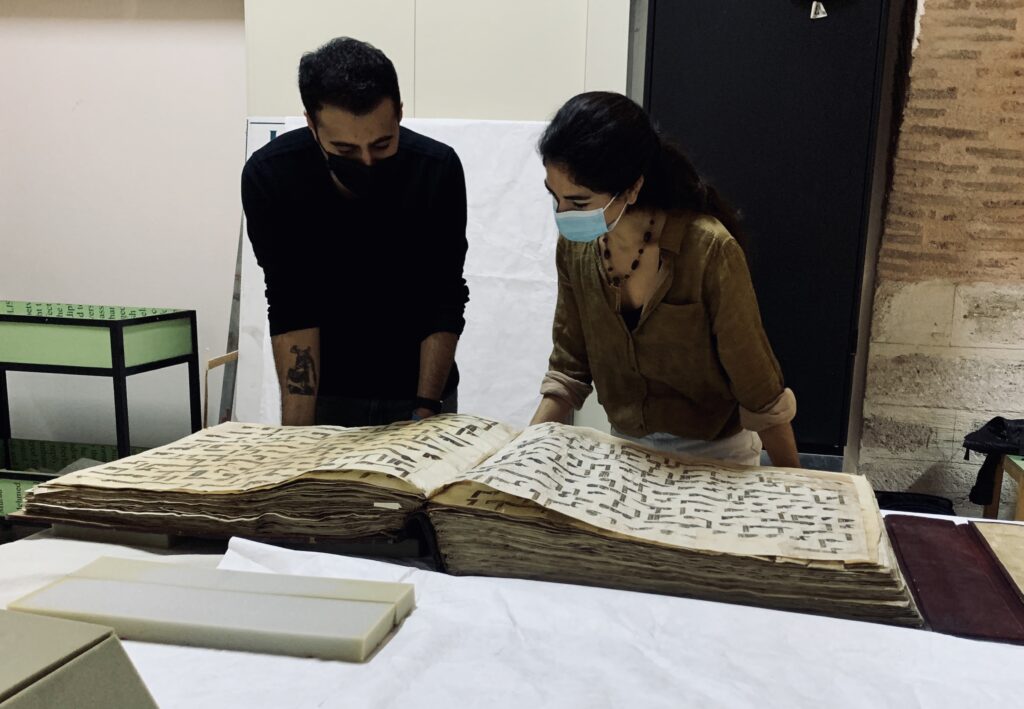
In 2020, I received a funding by the Ministry of Interior of France (Bureau des Cultes) so I can finally go and investigate the dispersed leaves preserved elsewhere. Despite the challenges posed by the global pandemic, I was able to undertake a research journey across the collections that still preserve portions of this extraordinary manuscript.
In total, I examined more than 900 folios dispersed among collections in Paris, Gotha, Cairo, Istanbul, and Detroit. Bringing together this vast body of material made it possible, for the first time, to reconstruct much of the codex’s history, from its production to its modern dispersal.
One of the most significant milestones was gaining access to the holdings of the legendary Dār al-Kutub in Cairo. After years of studying the European fragments, I was finally able to examine the bulk of the manuscript preserved in Egypt. This opportunity profoundly transformed my understanding of the manuscript and its transmission.
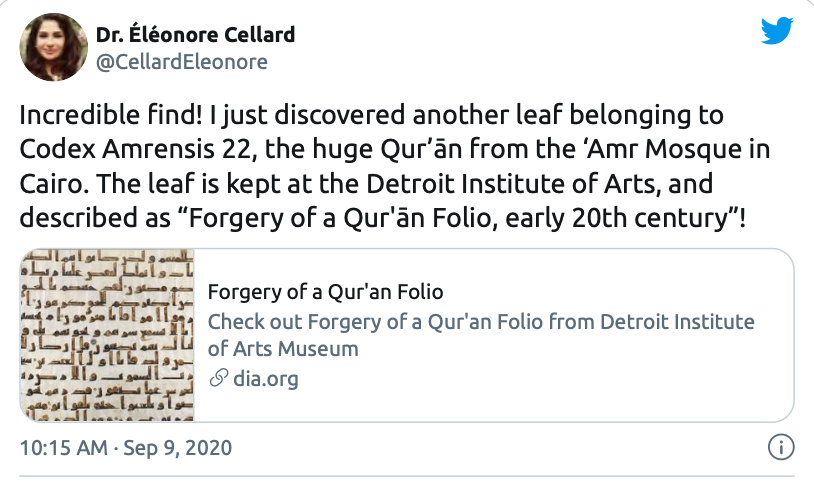
Another unexpected breakthrough came in September 2020. While preparing my next mission to Istanbul, I came across another folio of Codex Amrensis 22 kept in the collection of the Detroit Institute of Arts. Interestingly, this folio that had been catalogued as a “forgery of a Qurʾān folio” dating from the early twentieth century. This new discovery has raised new questions about the manuscript’s journey, but has also led to a very nice collaboration with the team in Detroit, who carried out analyses of the ink and parchment; and who have since revised their description 🙂
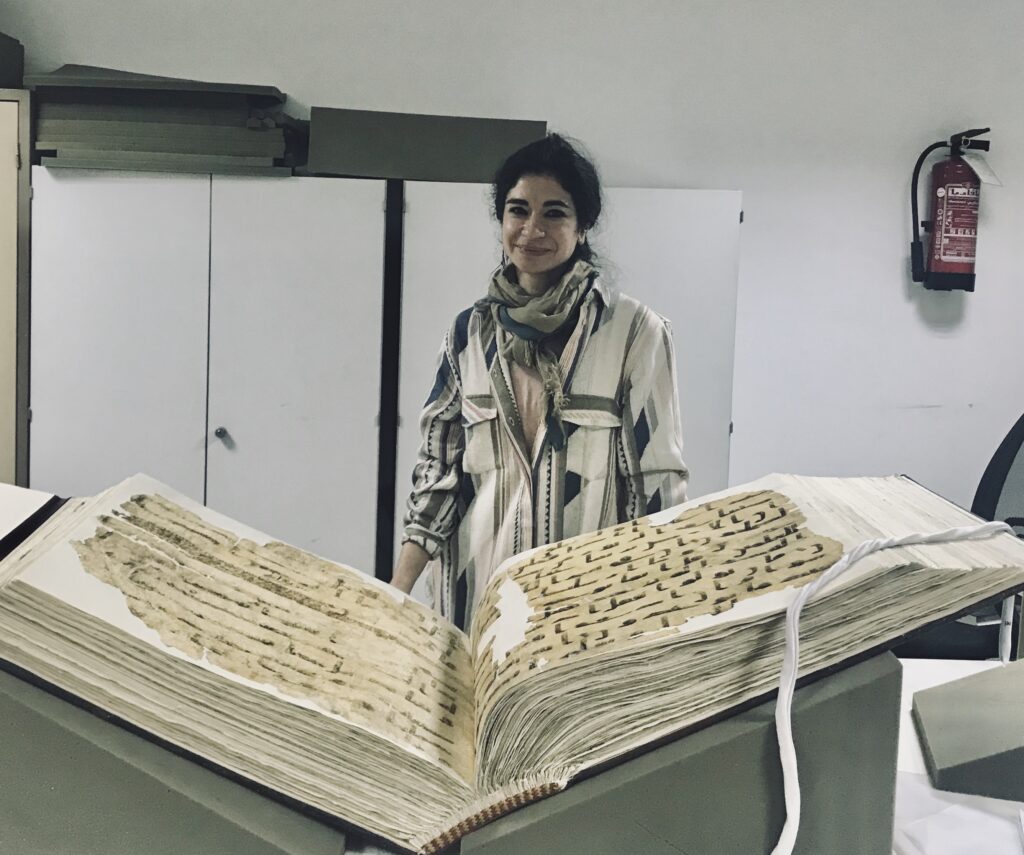
The next stage of the investigation took place in Istanbul, TIEM museum, where other leaves of the codex are preserved. After years of research in Paris, Gotha, Cairo, and elsewhere, it became possible to gain an unprecedented overview of one of the most important early witnesses to the Qurʾānic text.
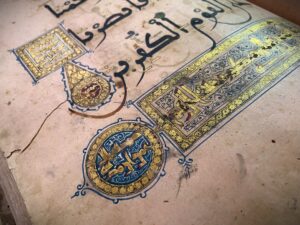
The results of this research were sometimes surprising. Codicological and palaeographical analysis demonstrated that Codex Amrensis 22 is not a single manuscript, but rather the result of the merging of two distinct manuscripts at some point in their history. The study of textual variants, manuscript structure, artistic features, and radiocarbon dating has likewise provided new insights into the formation and transmission of this exceptional codex.
This monograph presents the results of that investigation and traces the fascinating history of a manuscript that, more than thirteen centuries after its production, continues to reveal new secrets.
The book is available on Brill website: https://brill.com/display/title/71740